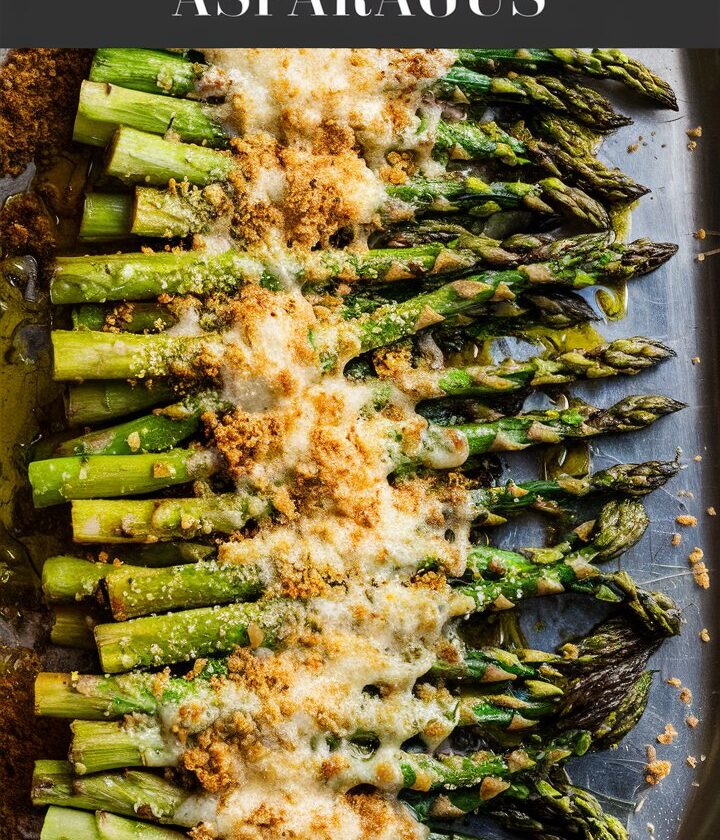
When it comes to quick, elegant, and healthy side dishes, few recipes can match the charm of roasted asparagus. With just a handful of ingredients and minimal prep time, this dish transforms a humble vegetable into a show-stopping side that pairs beautifully with anything—from a simple grilled chicken to an extravagant roast dinner.
This complete guide will teach you how to roast asparagus perfectly every time, along with expert tips, variations, serving ideas, and answers to all your common questions. Whether you’re new to cooking or a seasoned chef, this detailed recipe ensures your asparagus turns out crisp-tender, flavorful, and irresistible.
Why You’ll Love This Roasted Asparagus Recipe
- Quick and Easy: Ready in less than 20 minutes, making it ideal for weeknight meals.
- Healthy and Light: Packed with fiber, vitamins, and antioxidants with minimal oil.
- Crisp on the Outside, Tender Inside: The perfect balance of texture achieved through high-heat roasting.
- Versatile: Pairs well with almost any main course, from seafood to pasta.
- Customizable: Add cheese, herbs, or zesty toppings to match your taste.
Roasting asparagus is one of the simplest ways to elevate your meal while keeping it wholesome and light. The natural sweetness of asparagus intensifies under high heat, and the caramelized edges bring out a subtle nutty flavor that’s simply irresistible.
What Makes This Recipe Stand Out
There are countless roasted asparagus recipes online, but this version stands above the rest for three reasons:
- Perfect Timing and Temperature: The spears roast at the ideal temperature to achieve crisp tips and a tender bite without drying out.
- Balanced Seasoning: A precise combination of olive oil, sea salt, garlic, and lemon zest enhances the vegetable’s flavor naturally.
- Chef-Tested Method: Developed and refined for consistent, foolproof results.
No need for complex ingredients or heavy sauces—just simple, fresh flavors that shine on their own.
Ingredients for the Best Roasted Asparagus
Every ingredient in this recipe plays a key role. Here’s what you’ll need:
- 1 pound fresh asparagus: Choose firm, bright green stalks with closed tips.
- 2 tablespoons extra-virgin olive oil: Helps caramelize the spears and adds richness.
- 2 cloves garlic, finely minced: Provides an aromatic depth and slightly nutty flavor when roasted.
- ½ teaspoon sea salt: Enhances natural sweetness.
- ¼ teaspoon freshly ground black pepper: Adds a subtle bite.
- 1 teaspoon lemon zest (optional): Offers a burst of freshness.
- Optional add-ons: Shredded Parmesan, red pepper flakes, or balsamic glaze.
Step-by-Step Guide: How to Make Roasted Asparagus
Step 1: Preheat and Prepare
Set your oven to 425°F (220°C). This temperature ensures the asparagus roasts quickly and develops crisp edges without becoming soggy.
While the oven preheats, rinse your asparagus under cool water and pat it completely dry. Wet spears can steam instead of roast.
Step 2: Trim the Ends
Hold one spear of asparagus near the base and bend it gently. It will naturally snap where the woody, tough end begins. Use that spear as a guide to trim the rest to the same length. This ensures even cooking.
Step 3: Season Generously
Arrange the trimmed asparagus on a baking sheet. Drizzle with olive oil, then add garlic, salt, and pepper. Toss everything with your hands or tongs until evenly coated. Spread the spears out in a single layer—overcrowding prevents browning.
Step 4: Roast to Perfection
Place the baking sheet in the preheated oven and roast for 12–15 minutes.
- Thick stalks may need up to 17 minutes.
- Thin stalks cook faster, around 10–12 minutes.
When done, the tips should be slightly crisp and charred, while the stalks remain tender but firm.
Step 5: Add the Finishing Touch
Remove from the oven and zest fresh lemon over the hot asparagus. This small step adds a bright, tangy contrast that balances the richness of the olive oil. For a touch of indulgence, sprinkle grated Parmesan on top just before serving.
Expert Tips for Perfect Roasted Asparagus
- Dry Before Roasting: Moisture prevents caramelization. Always pat your asparagus dry.
- Use High Heat: Roasting below 400°F won’t develop that golden, crisp finish.
- Don’t Overcrowd the Pan: Give each spear space to roast evenly.
- Adjust for Thickness: Thicker stalks need a few extra minutes.
- Finish with Acid or Cheese: Lemon zest or balsamic vinegar adds brightness; cheese adds depth.
Flavor Variations to Try
Once you’ve mastered the basic recipe, experiment with these creative twists:
1. Garlic Parmesan Roasted Asparagus
Add ¼ cup of freshly grated Parmesan during the last 3 minutes of roasting. The cheese melts into a savory crust that pairs beautifully with garlic.
2. Balsamic-Glazed Asparagus
Drizzle a teaspoon of balsamic vinegar reduction right after roasting for a sweet and tangy twist.
3. Spicy Chili Asparagus
Sprinkle red pepper flakes or a pinch of cayenne before roasting for a gentle heat kick.
4. Herb Butter Asparagus
Toss roasted asparagus in melted butter mixed with fresh parsley or thyme for a herby finish.
5. Lemon-Garlic Asparagus with Toasted Almonds
Top the roasted spears with slivered almonds and an extra squeeze of lemon juice for texture and brightness.
Health Benefits of Asparagus
Asparagus isn’t just delicious—it’s incredibly nutritious. Each serving offers a wealth of benefits:
- Rich in Vitamins A, C, E, and K: Supports skin, vision, and immune health.
- High in Folate: Important for cell growth and energy.
- Loaded with Antioxidants: Helps fight oxidative stress.
- Low in Calories and Fat: Perfect for a balanced diet.
- Natural Diuretic: Helps detoxify the body and reduce bloating.
Including asparagus in your diet adds not only flavor but also essential nutrients for overall wellness.
What to Serve with Roasted Asparagus
This side dish complements almost any meal. Here are some pairing ideas:
- Proteins: Grilled chicken, steak, salmon, shrimp, or roasted lamb.
- Carbs: Mashed potatoes, quinoa, couscous, or creamy risotto.
- Breakfast: Fold roasted asparagus into an omelet or serve with poached eggs.
- Salads: Toss cold roasted asparagus into a grain or pasta salad.
Pro tip: Serve it warm for an elegant dinner or chilled for a refreshing summer lunch.
How to Store and Reheat Roasted Asparagus
Storing:
Allow the asparagus to cool completely. Store it in an airtight container and refrigerate for up to 3 days.
Reheating:
- Oven Method: Reheat at 400°F for 5–7 minutes for best texture.
- Skillet: Warm in a hot pan with a drizzle of oil for crisp edges.
- Avoid Microwaving: It softens the spears and reduces flavor intensity.
Freezing:
While possible, freezing roasted asparagus can make it mushy. If you must freeze it, undercook slightly before storing and reheat in a hot oven to revive some texture.
Common Mistakes to Avoid
- Using damp asparagus: It steams instead of roasts.
- Overcooking: Leads to limp, stringy texture.
- Too little oil: Without enough oil, asparagus dries out.
- Crowded pan: Prevents caramelization.
- Skipping seasoning: Simple ingredients like salt and lemon make all the difference.
Frequently Asked Questions
1. Can I roast frozen asparagus?
Yes, but thaw it first and pat dry before roasting. Frozen spears contain excess moisture that can affect crispness.
2. Should I peel asparagus before roasting?
Only if your stalks are very thick and tough. Most fresh asparagus doesn’t need peeling.
3. Can I use butter instead of olive oil?
Yes! Butter gives a richer flavor but burns faster, so roast slightly shorter or at 400°F.
4. How do I know when asparagus is done?
The tips should be crisp and browned, while the stalk bends slightly but doesn’t wilt.
5. Can I cook asparagus on the grill instead?
Absolutely. Grilled asparagus has a smoky flavor—just brush with oil and cook for 6–8 minutes over medium heat.
Serving Ideas and Presentation Tips
- Serve roasted asparagus on a white platter to highlight its vibrant color.
- Garnish with shaved Parmesan or chopped herbs.
- Drizzle with lemon juice or vinaigrette for a restaurant-style finish.
- Pair it with roasted salmon or lemon chicken for a cohesive flavor theme.
For a fancy touch, wrap several spears in a strip of prosciutto and roast briefly—perfect for dinner parties!
Nutritional Information (Per Serving)
| Nutrient | Amount |
|---|---|
| Calories | 90 kcal |
| Protein | 3 g |
| Fat | 6 g |
| Carbohydrates | 6 g |
| Fiber | 3 g |
| Vitamin K | 70% DV |
| Folate | 60% DV |
| Vitamin C | 25% DV |
(Based on a 4-serving recipe with olive oil and garlic.)
Why High-Heat Roasting Works So Well
Roasting vegetables at high heat triggers the Maillard reaction, where natural sugars and amino acids brown to form rich, complex flavors. For asparagus, this means:
- Sweetness becomes more pronounced.
- Edges turn golden and slightly crisp.
- The flavor deepens, eliminating bitterness.
It’s the simplest way to elevate fresh produce into something gourmet.
Perfect Occasions to Serve Roasted Asparagus
This dish fits any meal or event:
- Holiday dinners: Ideal alongside turkey, ham, or prime rib.
- Weeknight meals: Ready in minutes for busy evenings.
- Spring brunches: Complements eggs, quiche, or smoked salmon.
- Outdoor gatherings: Tastes great at room temperature.
It’s also a favorite at Easter or Mother’s Day celebrations when asparagus is in peak season.
How to Choose the Best Asparagus
When shopping, look for:
- Color: Bright green with slightly purple tips.
- Texture: Firm, smooth stalks with no wrinkles.
- Tips: Closed and compact, not mushy.
- Smell: Fresh and earthy, never sour.
If possible, choose thicker stalks—they roast more evenly and stay juicy inside.
Sustainable and Seasonal Cooking
Asparagus is one of the first spring vegetables to appear at farmers’ markets. Buying it in season not only ensures better taste but also supports sustainable farming. Look for locally grown asparagus whenever possible—it travels less, retains more nutrients, and tastes fresher.
Make-Ahead and Meal Prep Tips

- Prep in Advance: Trim and season asparagus up to a day ahead; refrigerate covered.
- Batch Cooking: Roast two trays at once and store for easy side dishes during the week.
- Meal Ideas: Add leftover asparagus to salads, wraps, grain bowls, or frittatas.
This recipe is meal-prep friendly, saving both time and effort without compromising flavor.
Final Thoughts
Roasted asparagus proves that the simplest recipes often deliver the most satisfaction. With just a few ingredients and minimal prep time, you can create a dish that’s healthy, beautiful, and bursting with natural flavor. Whether you’re hosting guests or cooking for yourself, this recipe adds elegance and balance to any meal.
Once you try this roasted asparagus recipe, it’s sure to become a staple in your kitchen—proof that great food doesn’t have to be complicated. Serve it hot, cold, or at room temperature, and enjoy the perfect bite of spring in every spear.