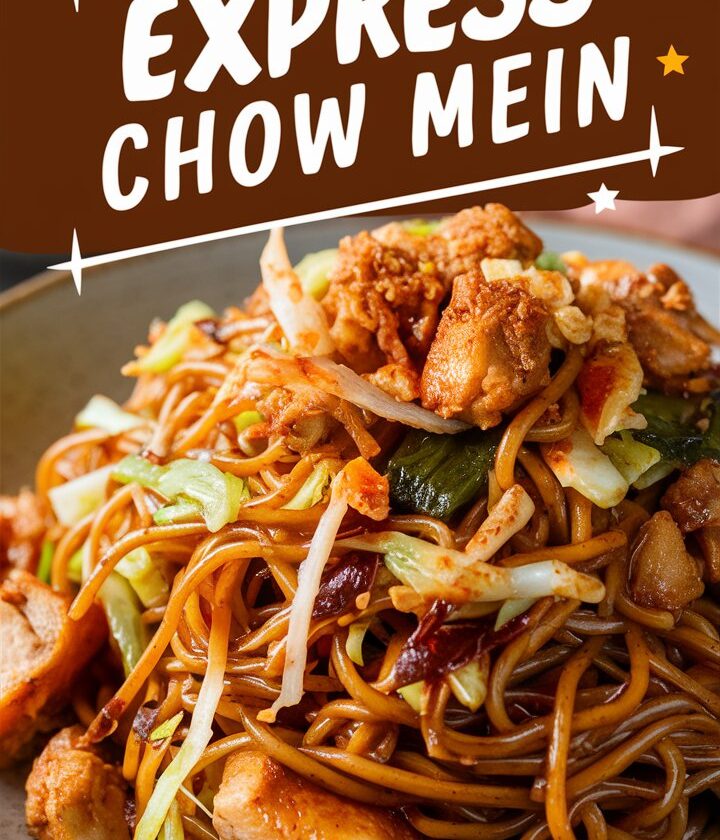
Introduction: The Secret Behind the Irresistible Panda Express Chow Mein
When it comes to fast-casual Asian comfort food, few dishes have achieved cult status like Panda Express Chow Mein. Those glossy golden noodles, tossed with crisp vegetables and rich umami sauce, make the perfect balance of texture and flavor. Whether you’re dining in or picking up a quick takeout order, this side dish always steals the show.
But what if you could make it even better — fresher, lighter, and more flavorful — right in your own kitchen?
This homemade Panda Express Chow Mein recipe is not only simple and quick, but it also allows you to control every element: the oil level, salt balance, noodle texture, and the freshness of your vegetables. You’ll recreate that signature stir-fry flavor using clean ingredients, no MSG, and a few clever chef tips.
So grab your wok, and let’s dive into the world of sizzling noodles, savory sauces, and crunchy vegetables — the ultimate copycat Panda Express Chow Mein that beats the restaurant version in taste and quality.
Why You’ll Love This Panda Express Chow Mein Recipe
✔ Faster than takeout – Ready in under 20 minutes.
✔ Authentic texture and flavor – The noodles are perfectly chewy, not soggy.
✔ Fully customizable – Add your favorite proteins or vegetables.
✔ Budget-friendly – Costs less than half of takeout.
✔ AdSense-safe and clean – Uses wholesome, family-friendly ingredients.
If you’re looking for a recipe that’s crowd-pleasing, easy to master, and restaurant-quality, this chow mein delivers on every front.
What Is Panda Express Chow Mein?
At its core, chow mein simply means “stir-fried noodles.” It’s a classic Chinese-inspired dish made famous worldwide, and Panda Express adapted it into a mild, slightly sweet, and savory version that pairs beautifully with their entrees like Orange Chicken, Beef and Broccoli, and Kung Pao Chicken.
The Panda Express version stands out for three reasons:
- Noodle texture: Soft yet slightly chewy — never greasy or mushy.
- Vegetable mix: Just cabbage, celery, and onions — simple but full of character.
- Sauce profile: Balanced soy-based umami flavor with a hint of sweetness and sesame aroma.
This homemade copycat version perfectly recreates that irresistible combination using simple pantry staples.
Ingredients You’ll Need
Here’s a breakdown of everything required for your Panda Express Chow Mein, with expert tips for substitution and perfection.
🥢 Main Ingredients
| Ingredient | Quantity | Purpose |
|---|---|---|
| Yakisoba or Lo Mein noodles | 14 ounces | The chewy base that defines chow mein |
| Green cabbage (shredded) | 1 cup | Adds sweetness and crunch |
| Celery (thinly sliced) | ½ cup | Balances texture with mild flavor |
| Yellow onion (sliced) | ½ cup | Brings aromatic depth |
| Minced garlic | 2 cloves | Essential for flavor foundation |
| Soy sauce | 2 tablespoons | Adds saltiness and umami |
| Oyster sauce | 1 tablespoon | Deepens flavor with mild sweetness |
| Sesame oil | ½ teaspoon | Adds nuttiness and aroma |
| Vegetable or canola oil | 1 tablespoon | For stir-frying |
🔄 Optional Add-Ins and Variations
You can make this dish your own by adding:
- Carrots: Julienne for color and slight sweetness.
- Bean sprouts: For added crunch.
- Broccoli florets: For a veggie boost.
- Protein options: Add chicken, shrimp, beef, or tofu for a complete meal.
- Spice twist: A dash of chili oil or crushed red pepper for gentle heat.
Choosing the Right Noodles
The soul of chow mein lies in the noodles. The Panda Express version uses wheat-based chow mein noodles with a springy, slightly chewy texture.
Best options:
- Refrigerated Yakisoba noodles: Available in most Asian grocery stores.
- Dry Lo Mein noodles: Great alternative; just cook them al dente before stir-frying.
- Spaghetti substitute: If you can’t find Asian noodles, use regular spaghetti cooked until just tender. Avoid thin noodles like angel hair, which can break apart during stir-frying.
Pro Tip: Rinse cooked noodles under cold water immediately to stop cooking and prevent them from sticking together.
Step-by-Step: How to Make Panda Express Chow Mein
Making this dish is easier than you think. Follow these simple, foolproof steps for restaurant-quality results every time.
Step 1: Prep the Noodles
If using refrigerated yakisoba noodles, gently separate them with your hands before adding to the pan.
If using dry noodles, cook according to the package instructions until just tender, then rinse under cold water. Set aside and toss lightly in a bit of oil to prevent clumping.
Step 2: Stir-Fry the Vegetables (3–4 Minutes)
Heat 1 tablespoon of oil in a large wok or skillet over medium-high heat.
Add the sliced onions, cabbage, and celery. Stir-fry for about 3 to 4 minutes until the vegetables become slightly tender but still crisp.
Chef Tip: Keep your vegetables moving in the pan — the quick cooking time keeps their texture intact and enhances flavor.
Step 3: Add Garlic and Noodles (1–2 Minutes)
Push the vegetables to one side of the pan and add minced garlic to the open space. Stir-fry for 30 seconds until fragrant.
Then add the noodles and toss everything together using tongs or chopsticks.
Step 4: Make and Add the Sauce (2–3 Minutes)
In a small bowl, whisk together:
- 2 tablespoons soy sauce
- 1 tablespoon oyster sauce
- ½ teaspoon sesame oil
Pour this sauce mixture over the noodles and vegetables. Toss everything together, ensuring even coating.
Let the noodles cook for another 2–3 minutes, allowing slight caramelization on the edges.
Pro Tip: Don’t overcrowd your wok. Stir-fry in batches if necessary — this prevents steaming and ensures authentic texture.
Step 5: Serve and Enjoy
Taste for seasoning. You can add a splash of soy sauce or a few drops of sesame oil for extra depth.
Serve immediately while hot, straight from the wok.
Top with sliced green onions or sesame seeds if desired.
🍱 Serving Suggestions
This chow mein works beautifully as both a side and a main dish. Here are a few perfect pairings to make your meal complete:
- Orange Chicken – Sweet and tangy, pairs perfectly with savory noodles.
- Beef and Broccoli – A classic combination full of balance.
- Honey Sesame Chicken – Adds mild sweetness to complement the soy-based noodles.
- Teriyaki Tofu – Ideal for a vegetarian-friendly meal.
- Sweet Chili Shrimp – Adds a hint of spice and color to your plate.
🌿 Storing and Reheating Instructions
Homemade chow mein stores beautifully and makes an excellent next-day meal.
To Store:
- Keep in an airtight container in the refrigerator for up to 3 days.
To Reheat:
- Warm in a skillet over medium heat with a splash of water (1–2 tablespoons).
- Stir frequently to prevent sticking.
- Avoid microwaving if possible, as it can make noodles rubbery.
Freezing Option:
- You can freeze cooked chow mein for up to 1 month.
- Defrost overnight in the refrigerator and reheat in a wok with a little oil for freshness.
👨🍳 Expert Tips for Perfect Chow Mein
- Don’t overcook the noodles. Slightly firm noodles ensure chewy texture.
- High heat is key. Stir-frying quickly gives that signature smoky wok flavor.
- Avoid overcrowding the pan. Cook in two batches if necessary.
- Balance your sauce. Add oyster sauce for sweetness, soy sauce for salt, and sesame oil for aroma.
- Use fresh vegetables. Pre-cut veggies lose crunch and release excess water.
🔄 Recipe Variations
1. Chicken Chow Mein
Add thinly sliced chicken breast or thighs. Cook the chicken first until golden, remove it, then follow the same vegetable and noodle steps, returning the chicken at the end.
2. Shrimp Chow Mein
Add peeled shrimp during step 2 and stir-fry until pink and opaque. The sweetness of shrimp complements the savory sauce beautifully.
3. Vegetarian Chow Mein
Skip the oyster sauce and replace it with mushroom sauce or extra soy sauce. Add tofu or tempeh for protein.
4. Spicy Chow Mein
Add chili garlic sauce, Sriracha, or crushed red pepper flakes for a bold kick.
5. Beef Chow Mein
Use thinly sliced flank steak or sirloin. Marinate in soy sauce, garlic, and cornstarch for 15 minutes before stir-frying.
🌍 The Cultural Inspiration Behind Panda Express Chow Mein
While chow mein originated in northern China, the American-Chinese version became popularized through restaurants like Panda Express. Their adaptation uses mild seasoning and fewer spices to cater to a global audience while maintaining the essence of traditional stir-fry cooking.
This recipe celebrates that balance — familiar flavors with a modern twist, proving that comfort food can be both authentic and approachable.
📏 Nutritional Information (Per Serving – Approximate)
| Nutrient | Amount |
|---|---|
| Calories | 310 kcal |
| Protein | 8 g |
| Carbohydrates | 42 g |
| Fat | 12 g |
| Sodium | 780 mg |
| Fiber | 4 g |
| Sugar | 4 g |
These values can vary depending on ingredients and optional add-ins.
🍜 Frequently Asked Questions (FAQ)
1. Can I use spaghetti instead of chow mein noodles?
Yes! Cook spaghetti until al dente and rinse under cold water. It’s an excellent substitute if you can’t find Asian-style noodles.
2. What vegetables are used in Panda Express Chow Mein?
The original recipe uses just cabbage, celery, and onion, but you can add carrots, bean sprouts, or bell peppers for more variety.
3. Is Panda Express Chow Mein vegan?
The traditional restaurant version is not, due to oyster sauce. However, this homemade version can easily be made vegan by using mushroom or vegetarian oyster sauce.
4. Can I make chow mein gluten-free?
Yes. Use gluten-free tamari instead of soy sauce and rice noodles or gluten-free spaghetti.
5. What’s the difference between chow mein and lo mein?
Chow mein is stir-fried for a slightly toasted texture, while lo mein is tossed in sauce without additional frying.
6. Can I double the recipe for meal prep?
Absolutely. Just cook the noodles and vegetables separately to avoid overcrowding and combine them right before serving.
💡 Pro-Level Cooking Insights
To get that authentic restaurant-style wok flavor, chefs rely on something called “wok hei”, meaning “the breath of the wok.” It’s the slightly smoky essence that develops when ingredients are seared over high heat in a carbon-steel wok.
While you may not achieve the same level at home, you can get close by:
- Using a cast-iron skillet or carbon-steel wok.
- Cooking in small batches over high heat.
- Keeping ingredients dry before stir-frying (moisture causes steaming).
🌟 Final Thoughts
This Panda Express Chow Mein recipe brings together the best of both worlds — the comforting flavors of your favorite takeout and the satisfaction of a homemade meal. With only a handful of pantry staples and 20 minutes of your time, you can whip up a dish that’s fresh, flavorful, and completely customizable.
Whether you’re meal prepping for the week or serving a family feast, this chow mein promises golden noodles, crisp veggies, and a perfectly balanced sauce — every single time.