✨ Introduction: The Story Behind Italian Ricotta Easter Bread
Every culture has its cherished holiday traditions, and in Italy, few are as heartwarming as the Easter bread baked with love and family spirit. Known for its soft, golden crust and lightly sweet flavor, Italian Ricotta Easter Bread (or Pane di Pasqua alla Ricotta) symbolizes renewal, family unity, and celebration.
This festive loaf isn’t just bread — it’s a moment of joy woven into dough. It’s served in homes across Italy during Holy Week and Easter Sunday, filling kitchens with the scent of vanilla, lemon zest, and freshly baked dough.
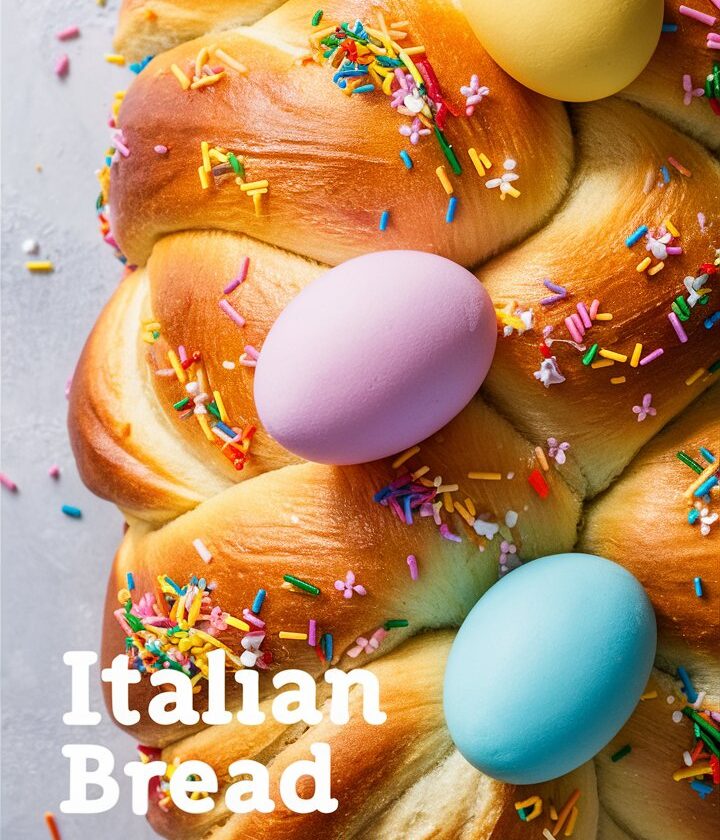
Braided beautifully and filled with a creamy ricotta center, this bread brings together the perfect balance of texture and flavor: tender crumb, rich cheese filling, and a hint of sweetness that feels comforting and indulgent. Sprinkled with colorful nonpareils, it becomes a centerpiece of Easter brunch tables, inviting everyone to share a slice of togetherness.
🕊️ What Makes Italian Ricotta Easter Bread Special?
Unlike simple sweet breads, this Italian version stands out because of its ricotta filling — smooth, slightly tangy, and irresistibly creamy. The bread’s unique charm lies in the combination of:
- Soft, enriched dough (made with milk, butter, and eggs)
- Light sweetness that complements, not overpowers
- A luscious ricotta filling infused with vanilla and lemon zest
- A braided shape, representing unity and rebirth
- Festive sprinkles, adding joy and color to the celebration
Each slice captures both comfort and celebration — a reminder that Easter is not only about faith but also about family, warmth, and shared meals.
🧀 The Role of Ricotta in Italian Easter Baking
Ricotta is at the heart of many Italian Easter recipes — from pastiera napoletana (a ricotta and wheat pie from Naples) to ricotta-filled pastries and cakes. In this bread, ricotta offers:
- Creaminess: It keeps the loaf moist and tender.
- Light tang: Balances the sweetness of the dough.
- Traditional flavor: Reminds Italians of homemade festive meals.
Always use whole-milk ricotta for the best results. If it’s too wet, simply drain it through cheesecloth or a fine sieve for 1–2 hours. The goal is a smooth, thick texture that won’t leak into the dough during baking.
🧂 Ingredients for Italian Ricotta Easter Bread
This recipe yields one large braided loaf — perfect for a family celebration.
🥣 For the Dough
- 4 cups (500 g) all-purpose flour
- ½ cup (100 g) granulated sugar
- 2 ¼ tsp (1 packet) instant yeast
- ¾ cup (180 ml) warm whole milk (around 100°F / 38°C)
- 3 large eggs (room temperature)
- ½ cup (115 g) unsalted butter, melted and slightly cooled
- 1 tsp salt
- 1 tsp pure vanilla extract
- 1 tsp finely grated lemon zest
🍶 For the Ricotta Filling
- 1 ½ cups (350 g) whole-milk ricotta cheese
- ½ cup (60 g) powdered sugar
- 1 tsp vanilla extract
- 1 tsp lemon zest
🥚 For the Topping
- 1 beaten egg (for egg wash)
- Colorful sprinkles or pearl sugar
⏲️ Recipe Information
| Step | Details |
|---|---|
| Prep Time | 30 minutes |
| Rise Time | 1.5 to 2 hours total |
| Cook Time | 30–35 minutes |
| Cooling Time | 30 minutes |
| Total Time | ~3.5 hours |
| Servings | 10–12 slices |
| Difficulty Level | Intermediate |
👩🍳 Step-by-Step Instructions
Step 1: Activate the Yeast
In a small bowl, mix warm milk with 1 teaspoon of sugar. Sprinkle the yeast over the milk and let it sit for 5–10 minutes, until foamy. This shows that the yeast is alive and ready to create a fluffy, well-risen bread.
Step 2: Prepare the Dough
In a large bowl, combine flour, remaining sugar, and salt. Add the activated yeast mixture, eggs, melted butter, vanilla extract, and lemon zest. Stir with a spoon or dough hook until the dough starts to come together.
Knead for 8–10 minutes (by hand or mixer) until the dough becomes smooth, elastic, and only slightly sticky. Add a little more flour if needed, but don’t overdo it — a soft dough makes a tender loaf.
Step 3: First Rise
Form the dough into a ball, place it in a lightly greased bowl, and cover with plastic wrap or a damp kitchen towel. Let it rise in a warm place for about 1 to 1.5 hours, or until doubled in size.
Step 4: Prepare the Ricotta Filling
While the dough is rising, whisk together the ricotta, powdered sugar, vanilla, and lemon zest. The mixture should be creamy and smooth. If it’s loose, refrigerate it for 15–20 minutes or strain it briefly.
Step 5: Shape and Fill the Dough
Once the dough has doubled, punch it down gently to release air. Divide into three equal portions.
- Roll each portion into a long rope (about 16–18 inches).
- Flatten each rope slightly and spread a thin line of ricotta filling down the center.
- Pinch the edges to seal, forming three filled ropes.
Braid the ropes together gently, tucking the ends under to create a neat shape.
Step 6: Second Rise
Place the braided loaf on a parchment-lined baking sheet. Cover loosely and let rise again for 30–40 minutes, until puffy and light.
Step 7: Bake the Bread
Preheat the oven to 350°F (175°C). Brush the bread with beaten egg, sprinkle with colorful nonpareils or pearl sugar, and bake for 30–35 minutes.
The loaf should be golden brown and sound hollow when tapped on the bottom.
Step 8: Cool and Serve
Cool on a wire rack for at least 30 minutes before slicing. This allows the ricotta to set beautifully and gives you clean, bakery-style slices.
🍽️ How to Serve Italian Ricotta Easter Bread

This bread is delicious served slightly warm or at room temperature. You can enjoy it:
- As part of your Easter breakfast or brunch
- With a cup of cappuccino or latte
- Lightly toasted with a spread of butter or honey
- Topped with a dusting of powdered sugar for extra sweetness
It also makes a stunning centerpiece — the golden braid and festive sprinkles instantly brighten any table.
🧊 How to Store and Freeze
- Room temperature: Wrap in foil or plastic wrap; keeps for 2 days.
- Refrigerator: Store for up to 5 days. Rewarm before serving.
- Freezer: Wrap slices individually in plastic and freeze for up to 1 month.
- To reheat: Warm gently in a 300°F (150°C) oven or toaster for 5–7 minutes.
💡 Pro Tips for Success
- Drain your ricotta: Moist ricotta can cause soggy spots in the braid.
- Don’t rush the rise: A slow rise gives better flavor and texture.
- Use room-temperature ingredients: Helps yeast activate evenly.
- Add citrus zest: Lemon or orange zest adds bright, fresh flavor.
- Avoid overbaking: The bread should stay soft and tender inside.
- Use festive sprinkles wisely: Add them after egg wash so they stick but don’t melt.
🧁 Variations to Try
- Chocolate Chip Ricotta Bread: Add mini chocolate chips to the filling.
- Orange-Scented Version: Use orange zest and 1 tablespoon orange juice in both dough and filling.
- Nutty Twist: Sprinkle chopped pistachios or almonds over the top before baking.
- Mini Braids: Divide dough into smaller sections for personal-size loaves.
- Coconut Ricotta Filling: Mix shredded coconut into the ricotta for a tropical flair.
🇮🇹 The Cultural Meaning of Easter Bread in Italy
Easter in Italy, or La Pasqua, is celebrated with vibrant traditions, church processions, and joyful meals. The Easter bread varies by region — from Colomba di Pasqua in the north to Casatiello in the south — but the symbolism remains the same: new life, hope, and family unity.
The braided shape represents the intertwining of faith, family, and love. Baking this bread together is an act of togetherness, passed down through generations. Italian families often gift loaves to friends and neighbors as a gesture of goodwill during the Easter season.
🌸 Pairing Ideas for a Perfect Easter Brunch
Make your Easter table unforgettable with these pairing suggestions:
- Fresh berries and a drizzle of honey
- Cappuccino or espresso for a true Italian touch
- Mimosa cocktails or fresh orange juice
- Savory side: Prosciutto-wrapped melon or Italian frittata
- Dessert option: A slice of lemon ricotta cake or tiramisu
🕊️ Frequently Asked Questions (FAQ)
Q1: Can I use part-skim ricotta?
Yes, but the filling will be slightly less creamy. Whole-milk ricotta gives the best texture.
Q2: My dough didn’t rise. Why?
Check the yeast freshness and ensure your milk wasn’t too hot (it should feel warm, not hot).
Q3: Can I make the dough ahead of time?
Absolutely! Refrigerate the dough after the first rise, up to 12 hours. Let it warm for 30 minutes before shaping.
Q4: Can I skip the filling?
Yes — you can make a classic Italian Easter bread by omitting the filling and adding colored eggs to the braid for decoration.
Q5: How do I prevent cracks during baking?
Ensure the dough isn’t too dry, and allow proper rising time before baking.
💬 Expert Baking Insight
Making Italian Ricotta Easter Bread is not just about following steps — it’s about understanding the dough. The texture tells you everything:
- If it’s sticky, rest it for 5 minutes and knead again.
- If it’s stiff, add a splash of warm milk.
- The perfect dough feels soft, elastic, and slightly tacky to the touch.
Remember: good bread rewards patience. The magic lies in the waiting — as yeast works silently to transform your ingredients into something greater than the sum of its parts.
🧡 Why You’ll Love This Recipe
- Family-friendly and festive
- Soft, moist, and rich with ricotta flavor
- Easy to make ahead and freeze
- Perfect centerpiece for Easter or spring celebrations
- Balanced sweetness — not overly sugary
- Feels nostalgic, comforting, and truly Italian
This bread brings smiles to every table it graces. One bite, and you’ll taste the warmth of tradition, the beauty of simplicity, and the joy of baking with love.
📖 Final Thoughts
Italian Ricotta Easter Bread is more than a recipe — it’s a symbol of togetherness, faith, and the simple pleasures that define the season of renewal. With its golden crust, braided beauty, and creamy ricotta heart, it reminds us that the best moments in life are those shared over homemade bread, laughter, and family stories.
Whether you’re Italian by heritage or simply inspired by the culture’s love of food and family, this bread offers a way to celebrate Easter with both authenticity and flavor